
HAVi has been delivering HAV management solutions from Nottingham since 2008, built around HSE’s guidance on reducing HAV risk.
Hand-arm vibration compliance, without the complication.
The law asks four things of you: know the vibration levels of your tools, know what your people are being exposed to, reduce that exposure to as low as is reasonably practicable, and inform and train your workforce to understand the risk.
HAVi guides you through all four, protecting your people and your business.
Already a customer? Order online at the HAVi shop.
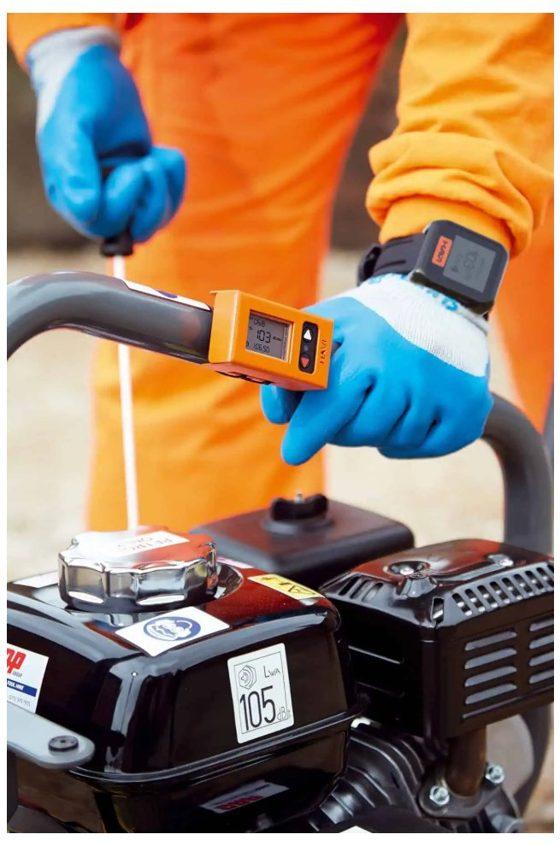
2.5 m/s² A(8)
5 m/s² A(8)
Every HAVi reading is reported in HSE points, so it compares directly with the values the law sets. Reach 100 and specific legal duties apply. 400 must not be exceeded.
Recording exposure isn't the same as managing it.
Plenty of companies monitor hand-arm vibration. Far fewer can show they've done anything with the numbers.
The Control of Vibration at Work Regulations 2005 don’t just ask you to keep records. They require you to reduce exposure to as low as reasonably practicable, and to be able to evidence it.
That gap, between recording and reducing, is where programmes fall short, and where the legal duty sits.
It's also where most of the complexity in this market comes from. The industry has made this sound harder than it is. It isn't.
Four steps. One programme. Nothing you don't need.
This is the order of the Regulations, and the order HAVi works in.
Measure
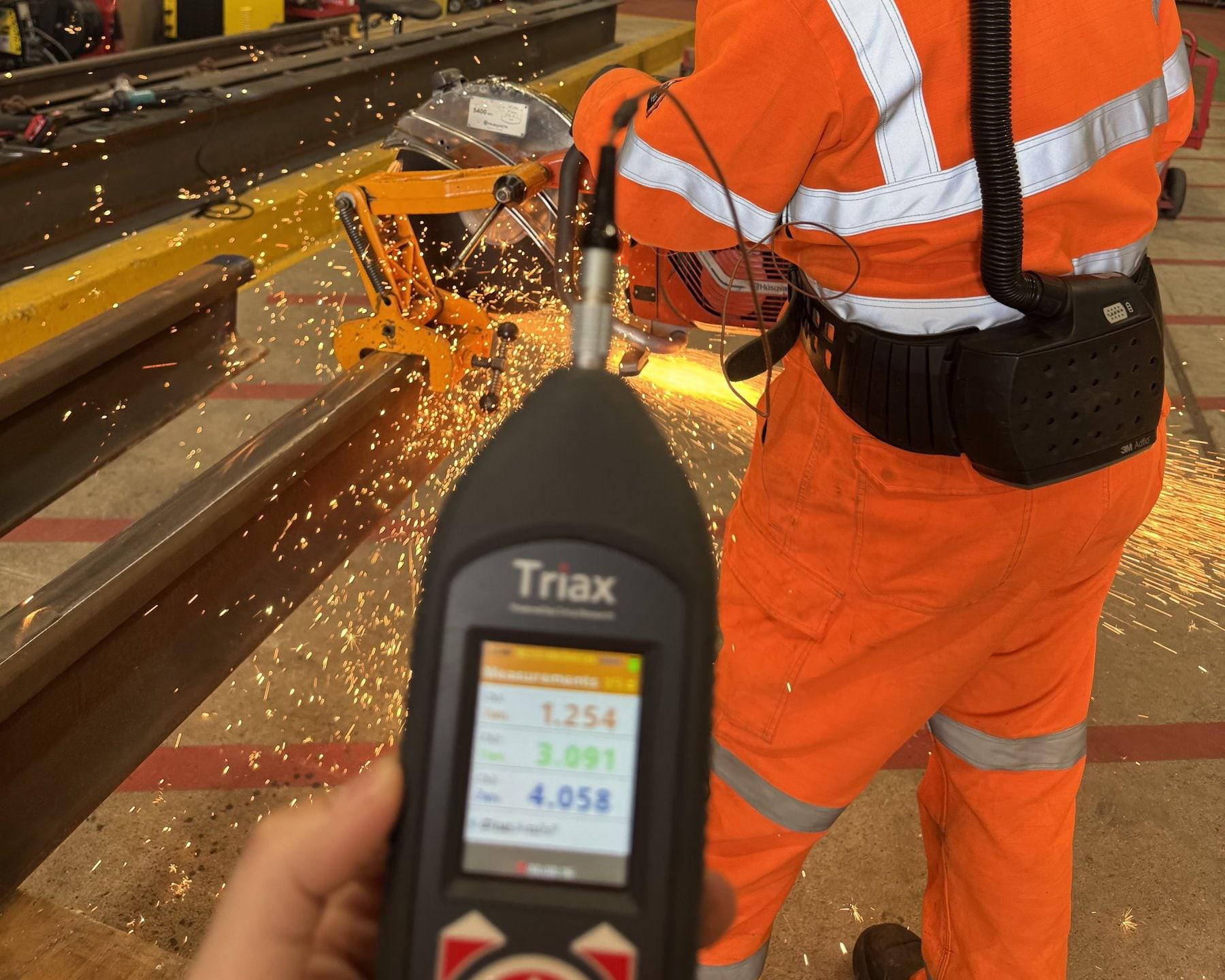
We measure your tools, on your site, in the conditions your people actually use them, to BS EN ISO 5349-2 with equipment that meets BS EN ISO 8041. Manufacturer figures can be a starting point. Measured figures are more representative of your tools in use.
How measurement worksMonitor
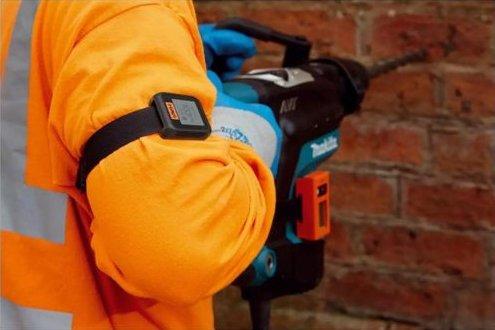
Not everyone, not every day. A structured sample using our trigger-time led solution, matched to your measured tool data, gives you real exposure in HSE points. That's the format the HSE ask for.
See how our monitoring kit worksReduce
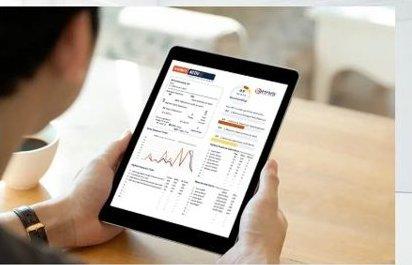
We make sure your data drives the actions needed to reduce exposure. Every action is logged, so your ALARP journey is recorded month by month, ready for an inspection or a claim.
See how ACTIV IQ worksInform
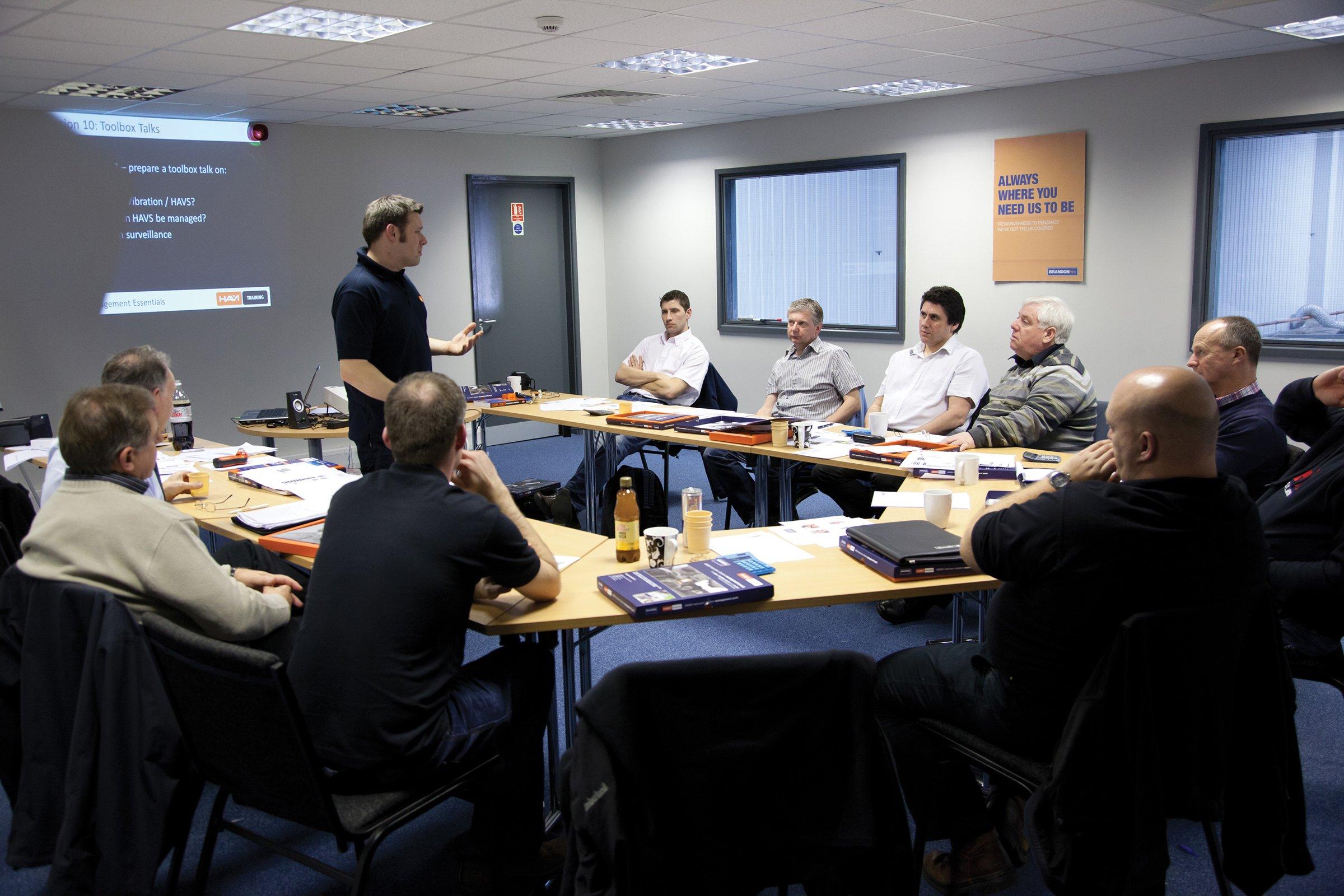
Training in person or online, from directors to operators, including an IOSH-accredited course. Digital records included. Data tells you the risk. Training makes sure people act on it.
See the trainingCompliance isn’t a device, it’s a process.
HSE updated its guidance on measuring and monitoring hand-arm vibration in December 2023. It's worth reading. Here are the most important parts.
"Monitoring hand-arm vibration exposure all the time is probably not a good use of resources."HSE, Guidance on measurement and monitoring
"Do not confuse electronic monitoring systems with vibration measurement systems."HSE, Guidance on measurement and monitoring
"Results must be in m/s² A(8) or 'exposure points' so you can make valid comparisons with the Exposure Action and Limit Values."HSE, Guidance on measurement and monitoring
Compliance doesn't require a monitor on every worker, every day. What the HSE ask for is accurate tool data, a sound assessment of trigger time, results you can compare with the EAV and ELV, and evidence that you've acted on them. That is the HAVi programme.
The method, in 75 seconds.
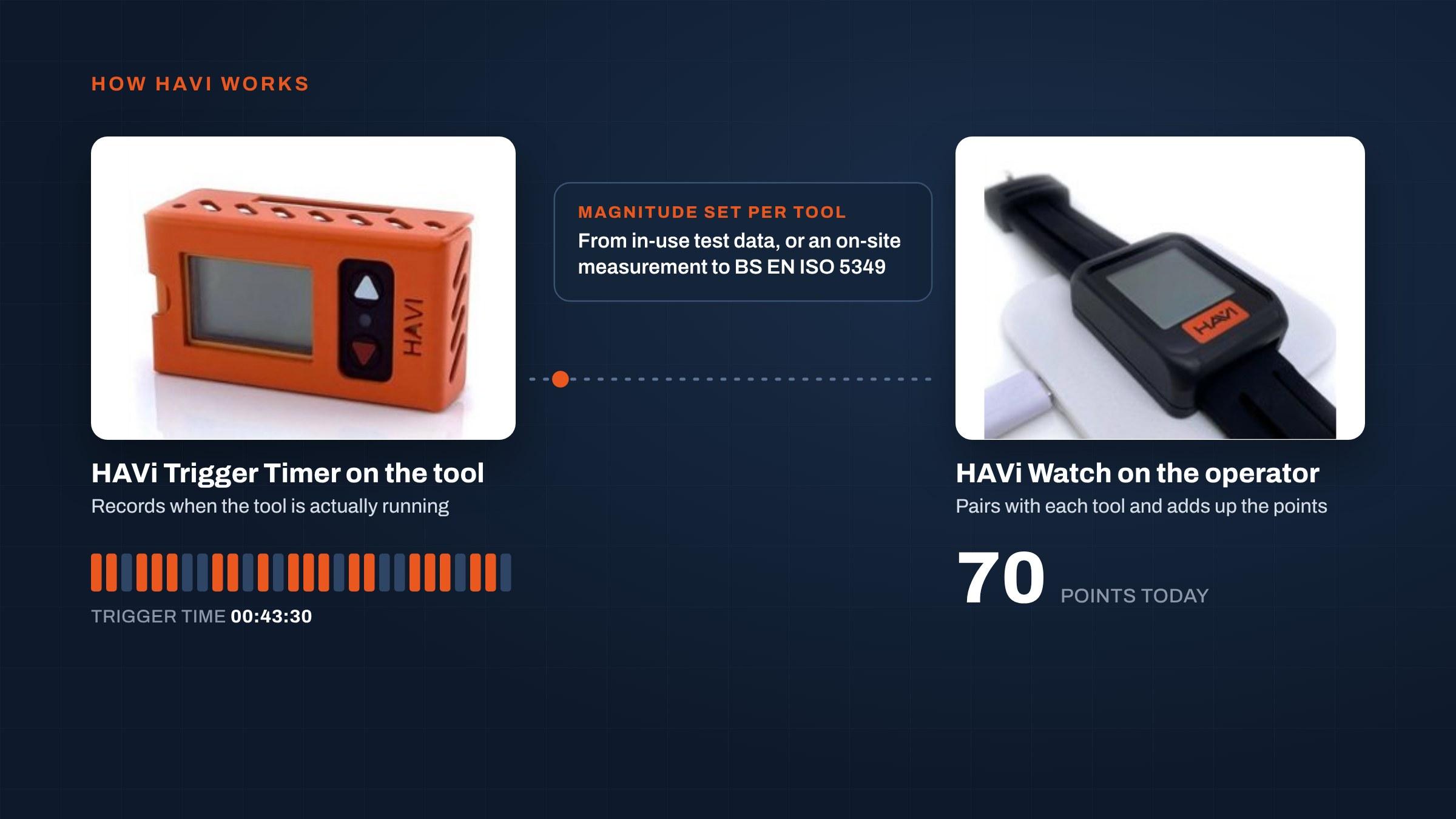
How exposure is counted in points, why HSE says to measure on the tool rather than the wrist, and what HAVi records so you can act on it.
Read the transcript
Ten minutes on one tool, an hour on the next.
By the end of the shift, it all adds up.
The law draws two lines in the day.
At 100 points, you must act to cut exposure.
400 must never be crossed.
Two numbers decide the count.
Get either one wrong, and the points are wrong too.
A sensor on the wrist feels the arm, not the tool, and HSE warns against it.
So HAVi's sensor sits on the tool itself.
Tea breaks and travel don't count.
Only the minutes the tool is working.
Each tool carries its own vibration figure, so a breaker is never scored like a drill.
Swap tools mid-shift, and the Watch carries the total across.
So the warning comes before a limit, not after the shift, while there's still time to switch tasks.
Then the day's record lands in one place, ready when you need the evidence.
The aim was never the points.
It's healthy hands, for a whole working life.
How compliant are you, honestly?
Twenty questions across the four areas the HSE look at. Five minutes. A scored report you can act on, and keep.
- Risk assessment and tool data
- Exposure and trigger time
- Reducing exposure
- Health surveillance and training
Your report is emailed to you. No sales call unless you ask for one.
Your exposure, worked out and explained.
Put any tool and time through the calculator, then read what 100 and 400 points ask of you. Every guide is checked against HSE guidance.
That's one task. To check your whole programme, take the compliance check.
Coming soon The Regulations: seven guides, added as each is signed off.
In-use vibration data on thousands of tools. Free.
Before you buy a tool, check what it will cost your people in points. theToolAdvisor gives you in-use vibration data by make and model, tool ratings and alerts.
Register free, no purchase needed.
- In-use data
- Tool ratings
- Alerts
Know what you need? Order online.
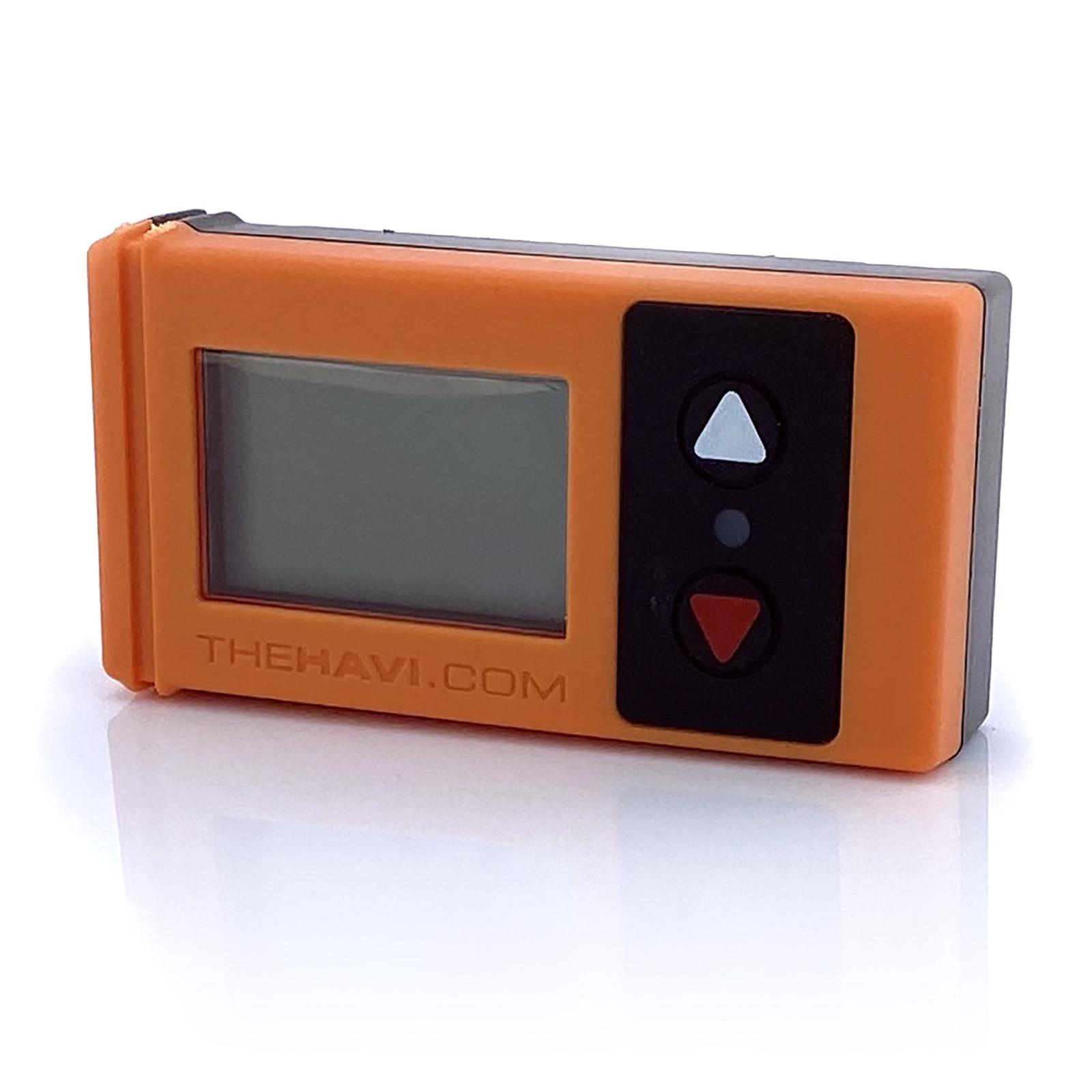
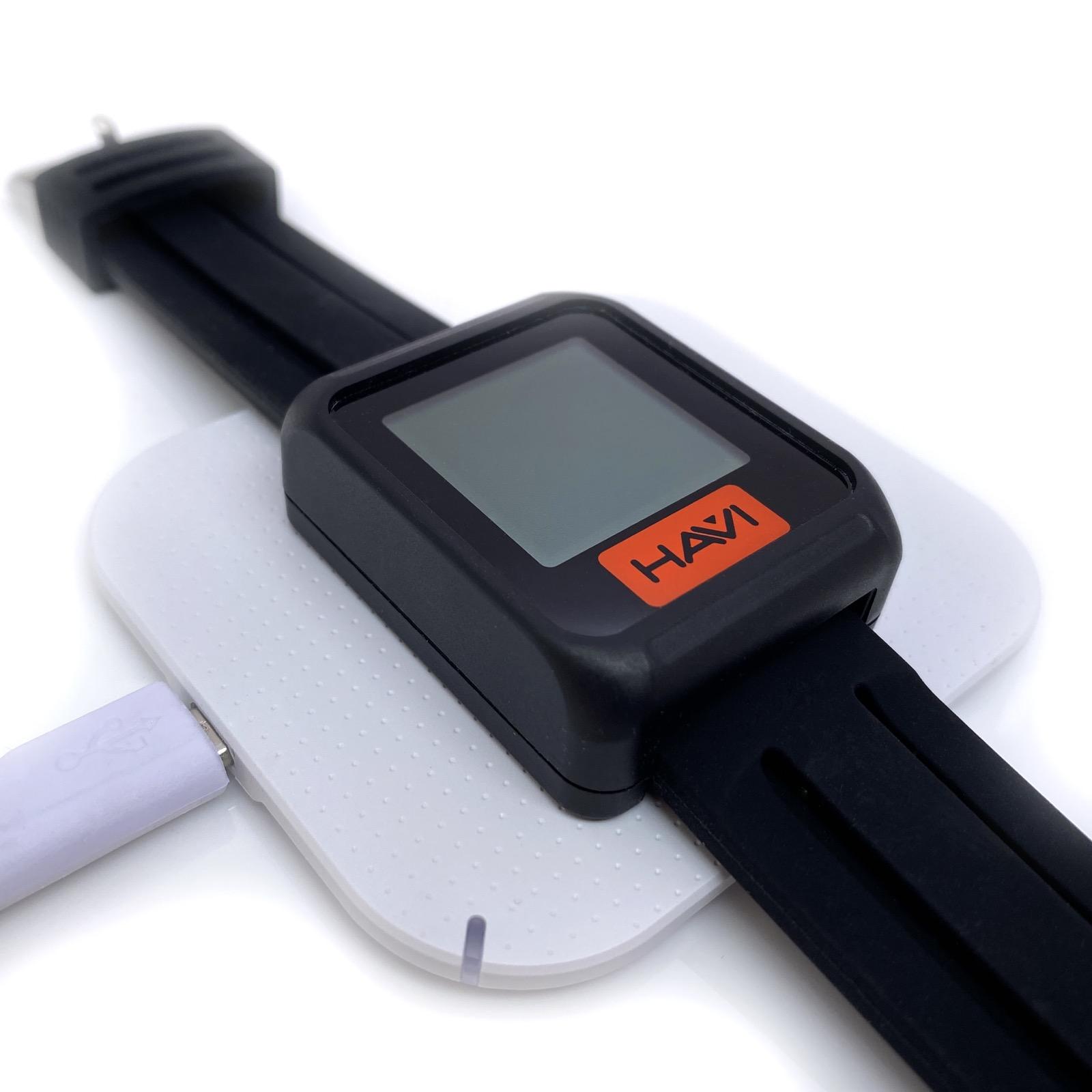
All our products and accessories are designed and manufactured in the UK. If you’re looking to buy direct, this is the quickest route.
Talk to someone who's done this before.
Face to face on your site, or online. We'll start with where you are now, what the gaps are, and what a programme built around your business would look like.
You'll be talking to people who've spent their careers in vibration management and compliance, and who've built programmes for single-site firms and for operations with thousands of operatives.
Prefer to call? 0115 932 7002, 09:00 to 17:00, Monday to Friday.