Step 3 of 4
Reduce risk
Data that drives action. We make sure your data drives the actions needed to reduce exposure. Every action is logged, so your ALARP journey is recorded month by month, ready for an inspection or a claim.
Recording exposure is not reducing it
The Regulations require exposure to be reduced as far as reasonably practicable. Where the action value is likely to be reached, that means a programme of organisational and technical measures. Regulation 6 lists what to consider, including:
- other ways of doing the work that expose people to less vibration;
- choosing tools that produce the least vibration for the job;
- equipment that reduces the risk, such as tool supports or handles that reduce vibration;
- maintenance programmes, so tools don’t vibrate more as they wear;
- limiting how long and how intensely people are exposed, with suitable work schedules and rest periods;
- information and training, and clothing that protects people from cold and damp.
HSE also notes that monitoring alone does not show that risk has been reduced as far as reasonably practicable. The evidence is what changed.
ACTIV IQ and the HAV Risk Index
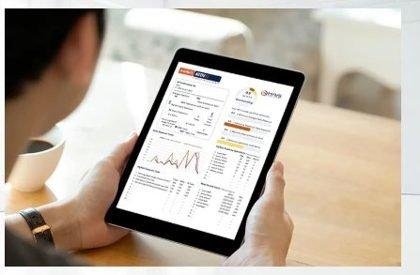
ACTIV IQ turns your exposure data into a short list of what to change first.
- The HAV Risk Index scores your HAV risk at a glance, so a falling score shows exposure coming down.
- Where the risk sits: the tools, tasks, people, teams and sites contributing most to exposure.
- Recommendations: for a task, ways to lower its exposure; for a person, the next steps; for a tool, the alternatives where there are any.
- The record: every action logged with its date, so you can show what you did and what it changed.
ACTIV IQ and the HAV Risk Index come with HAVi-Total Diagnostix Plus.
Example: changing the consumable, not the tool
See ACTIV IQ on your own data. Ask for a demonstration
Is your programme reducing exposure, or just recording it?
The compliance check scores the reduction step on its own. About five minutes.