
Step 2 of 4
Monitor exposure
Not everyone, not every day. A structured sample using our trigger-time led solution, matched to your measured tool data, gives you real exposure in HSE points. That's the format the HSE ask for.
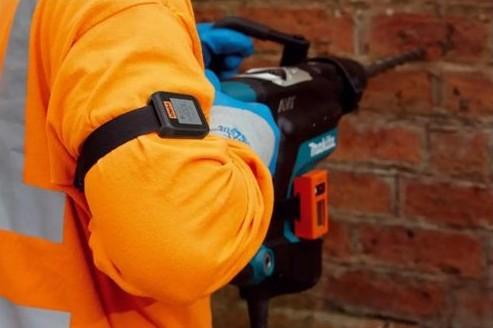
Three parts, one record
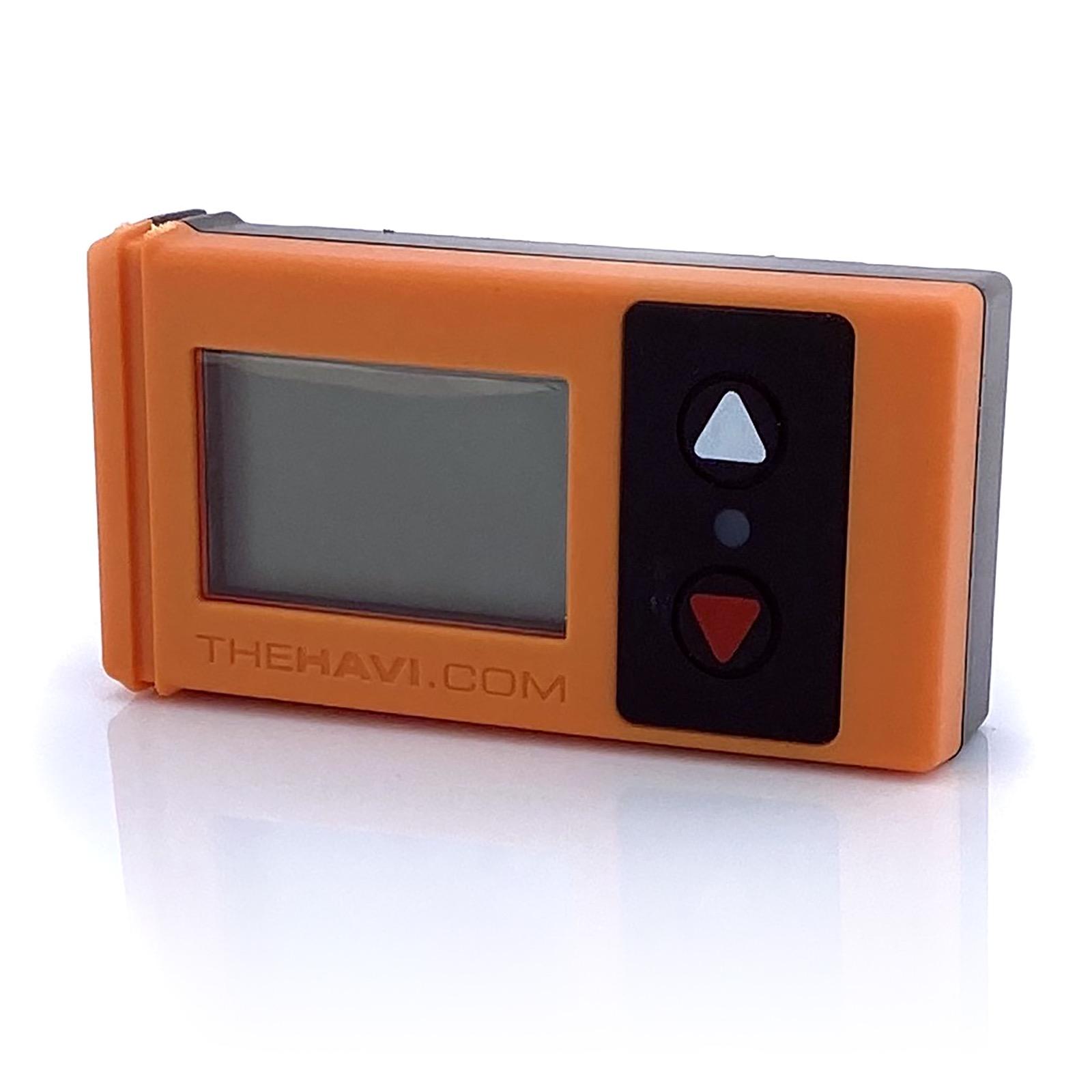
On the tool: HAVi Trigger Timer
Fits to the tool and records trigger time whenever the tool runs.
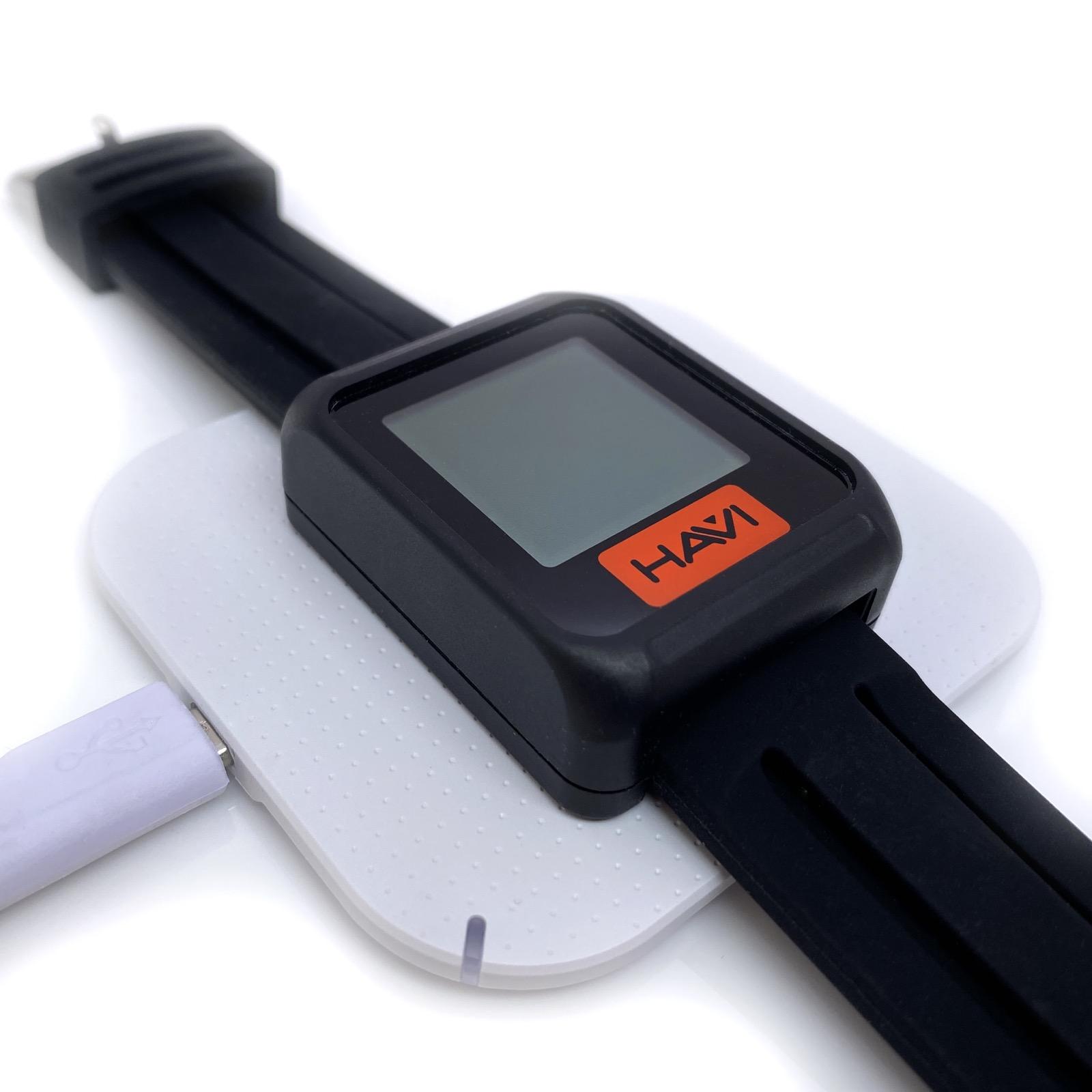
On the operative: HAVi Watch
Shows the operative their points as the day goes on, and alerts them before they reach their own personal limit.
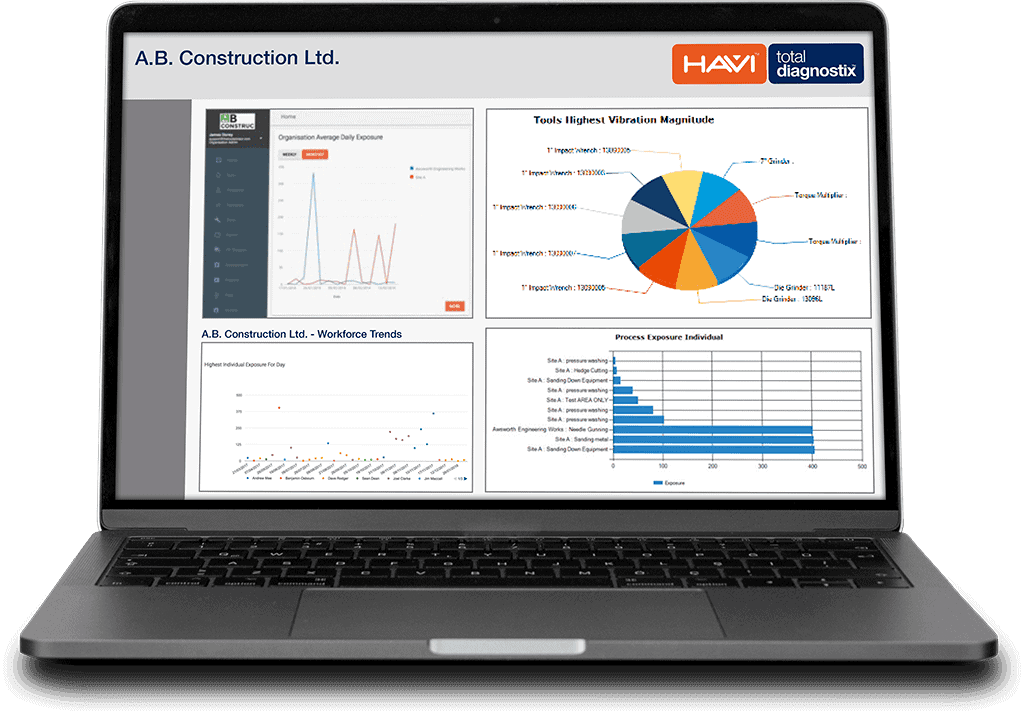
In the office: HAVi-Total Diagnostix
Brings every reading together, flags exceptions, and keeps the records an inspector will ask for.
When monitoring is worth doing
The HSE's guidance is clear that monitoring is a tool for specific jobs, not a permanent state.
It is only worth monitoring:
- To make your initial assessment. A period of monitoring trigger times tells you what a typical day looks like for each role and each tool.
- To check your controls are working. Periodic sampling shows whether job rotation, tool substitution or a trigger-time limit has actually changed anything.
- After something changes. New tools, new tasks, new contractors, a different site.
- Where the limit can be reached quickly. High-vibration tools on long tasks can hit the limit value in a couple of hours. Live monitoring with a stop point makes sense here.
- Where a person has a restriction. If occupational health has limited someone's exposure, monitoring that person is how you prove the limit was never exceeded.
HAVi monitors a structured sample: each operative and each tool for a period each year (depending on how repetitive the tasks are), with the measured magnitudes from step 1 applied, so the figures come out in points and compare with the law. Where a task or a person needs more, we monitor more.
Is your monitoring giving you real numbers?
The compliance check asks the questions an inspector would. About five minutes.